



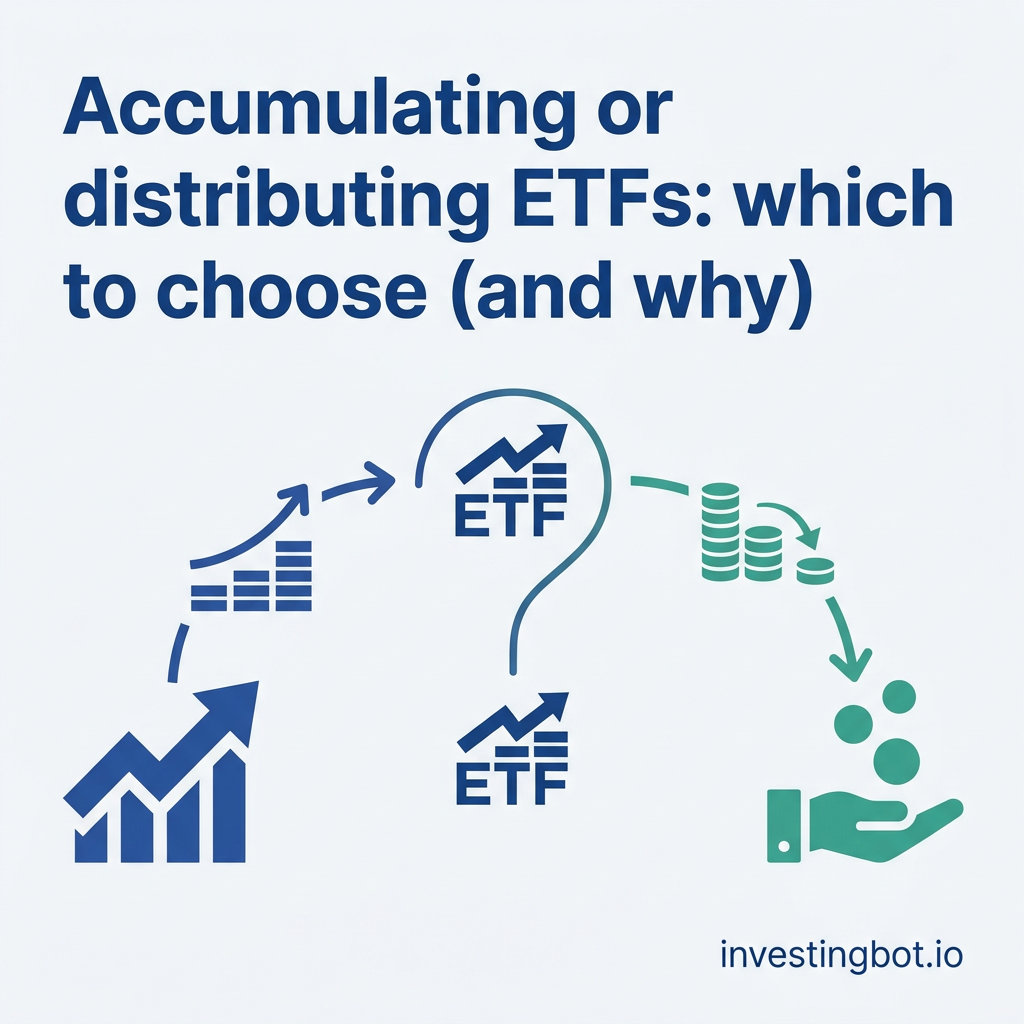
Accumulating and distributing classes only differ in what happens to dividends and coupons. In our data the TER is identical in 472 of 493 funds: income and tax decide.
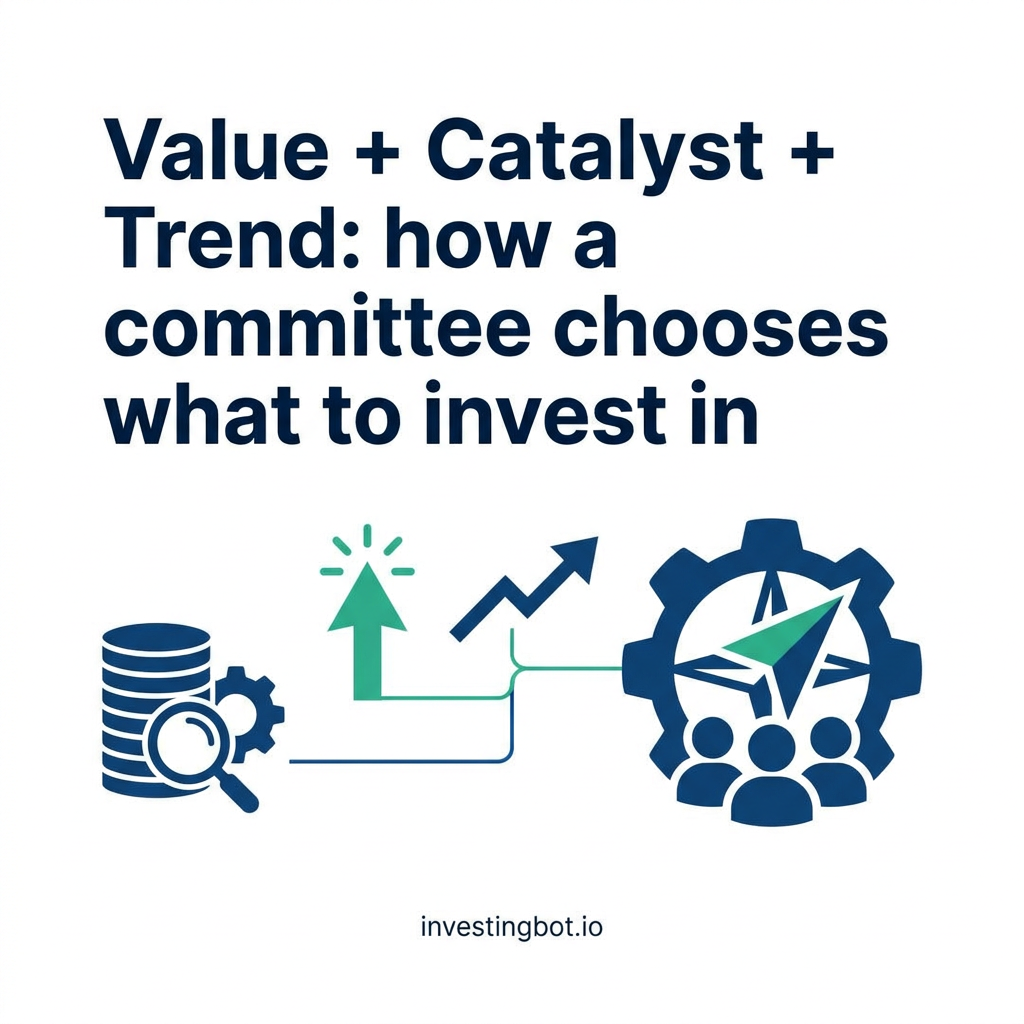
An investment committee asks every idea for three confirmations: price, catalyst and trend. In our data only 7% of baskets pass both value and trend.
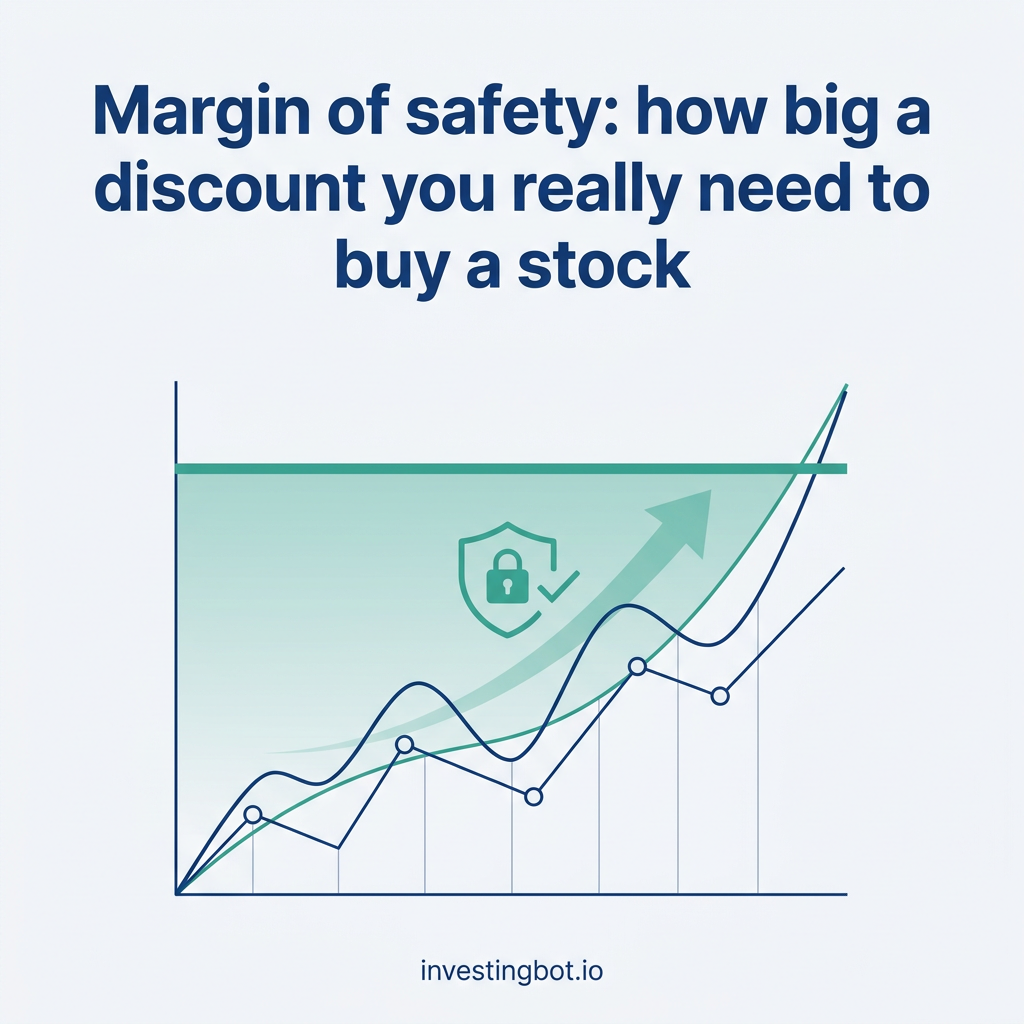
The margin of safety protects you from your own valuation error, so it has to exceed it. In our data one stock in six is a third below value: here is why that is not enough.
92% of analyst price targets sit above the current price, and just 1.1% of ratings say sell. Why a range with a horizon says less and gets it wrong less often.
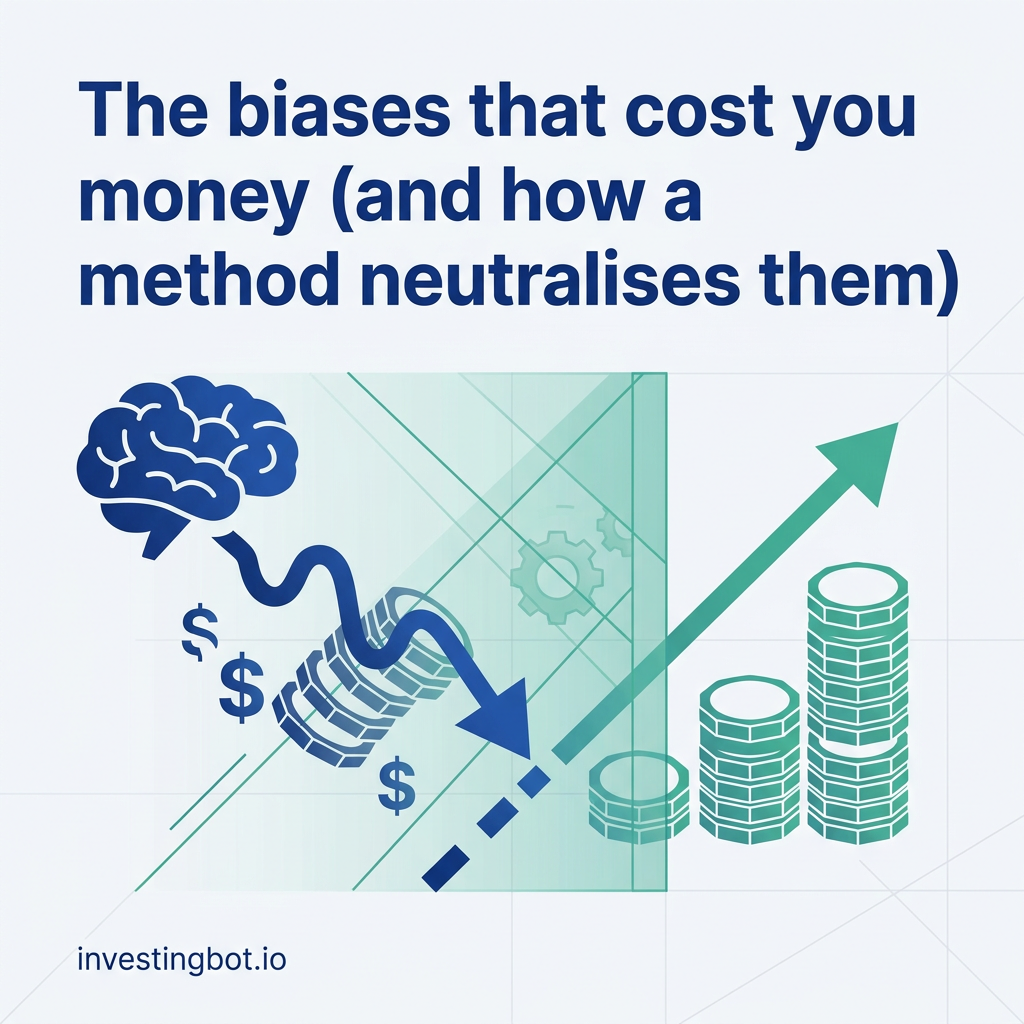
Selling the winners and keeping the losers, chasing whatever just went up: six mistakes that keep coming back, and the written method that defuses them.
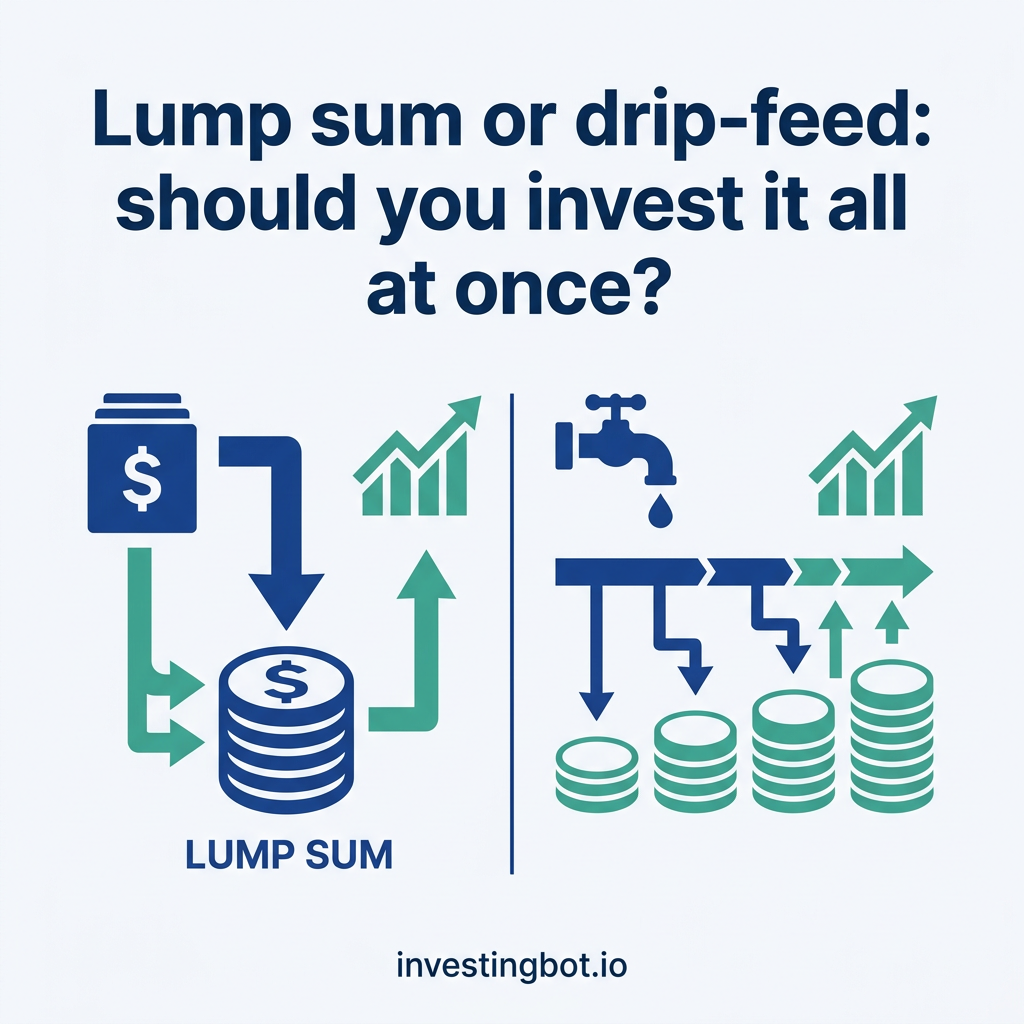
Across a century and a half of market history, investing all at once finished ahead 71.5% of the time. Yet drip-feeding did not cut the chance of losing: 27.1% against 27.8%.
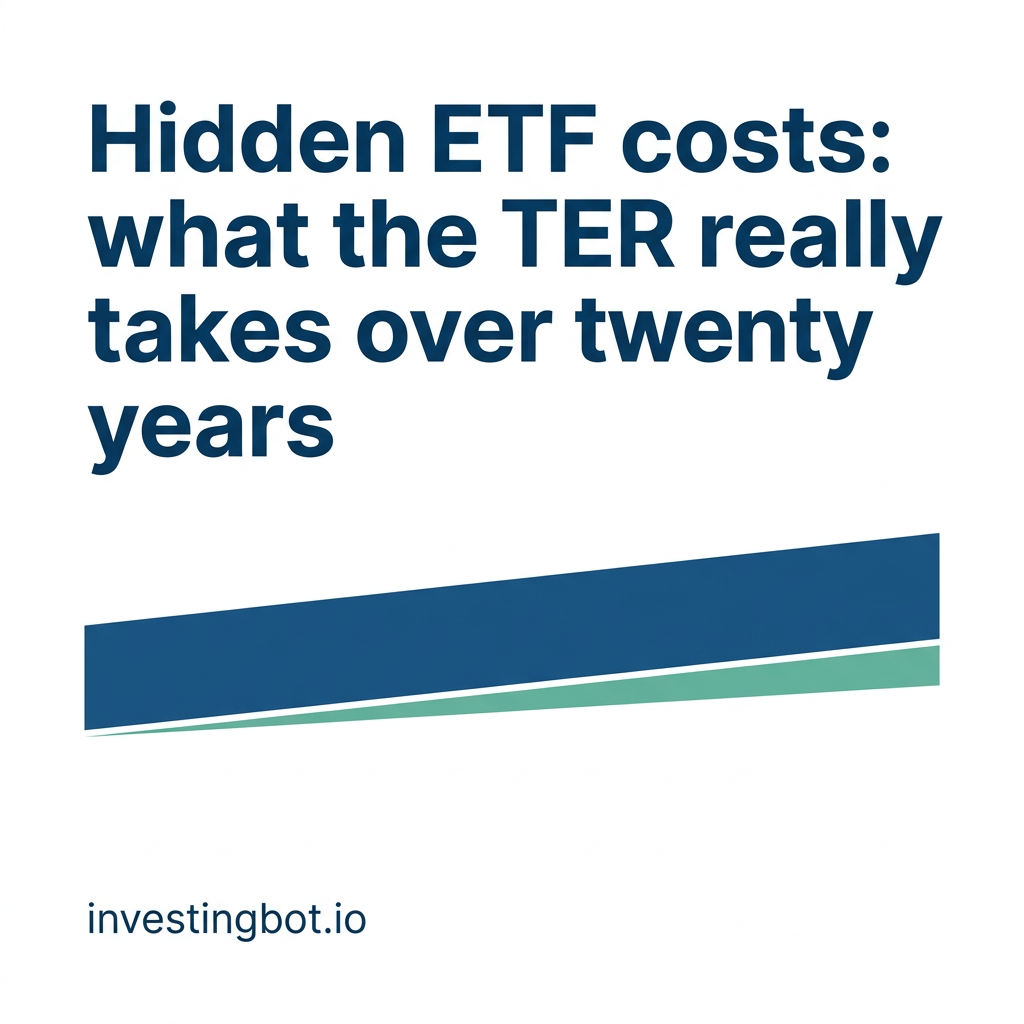
What an ETF's headline cost really covers, what it leaves out, and why two funds tracking the same index can cost nine times as much.
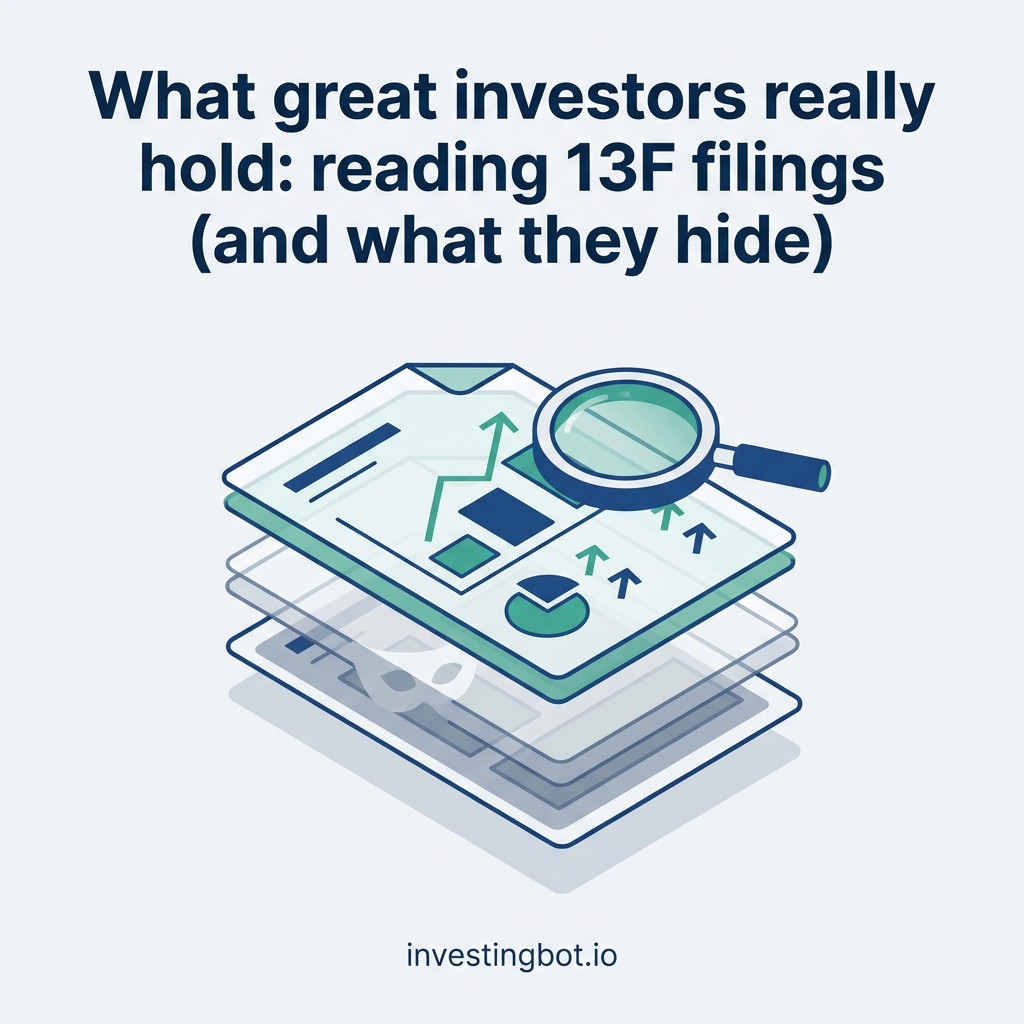
What a 13F filing contains, what it leaves out and how late it arrives. And what actually happens when you try to copy the stocks funds hold most.
Revenue, operating margin, net income, cash flow, debt and equity keep each other honest. When one tells a different story, that is where you look.
Beneish M-Score, Altman Z and Piotroski F-Score read the financial statements to anticipate trouble. What they really say, and why one indicator alone is not enough.