



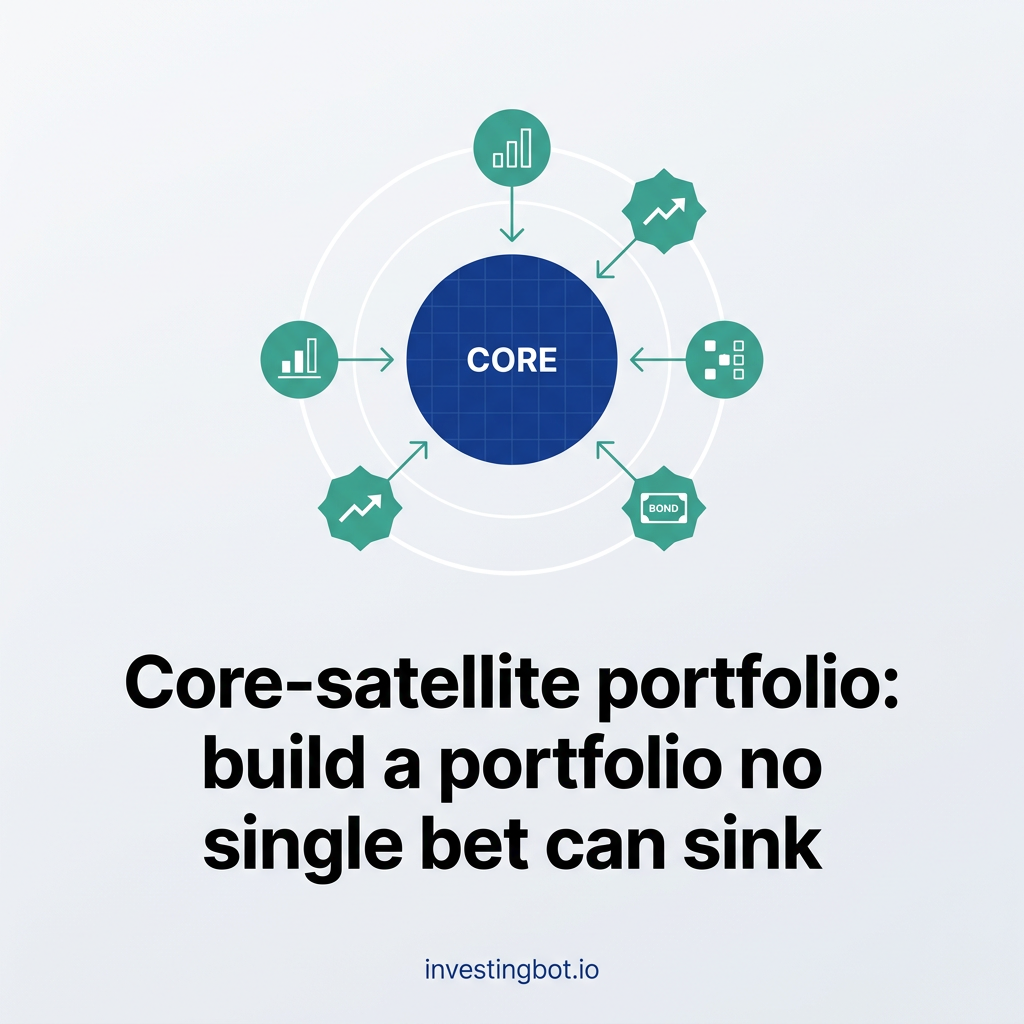
The core (60-80%) captures market returns; satellites (20-40%) your convictions, with strict limits. A real case: construction matters more than selection.
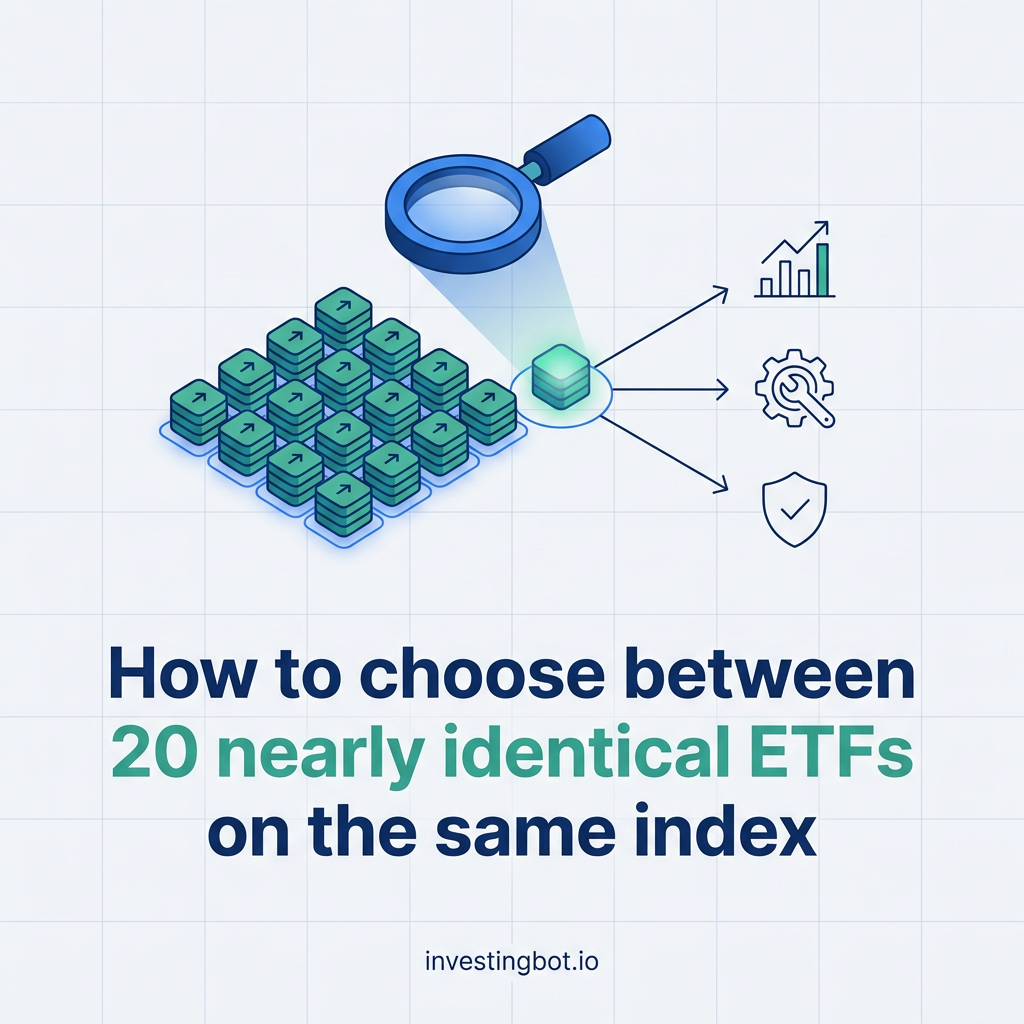
Twenty ETFs track the same index but aren't identical: TER, tracking difference, size, replication, domicile and tax. How to spot the right one.
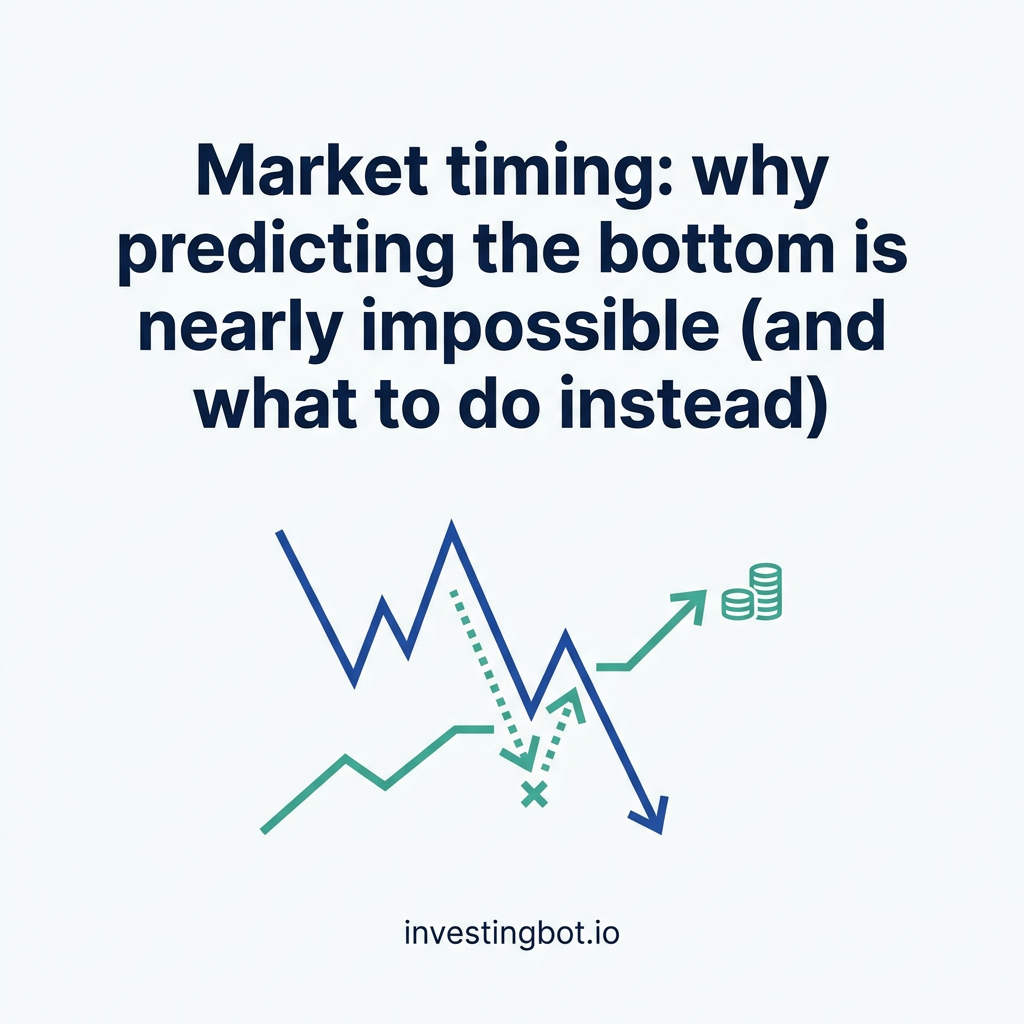
Predicting tops and bottoms means being right twice. What our backtests over 150+ years of data show, and why staying invested wins instead.
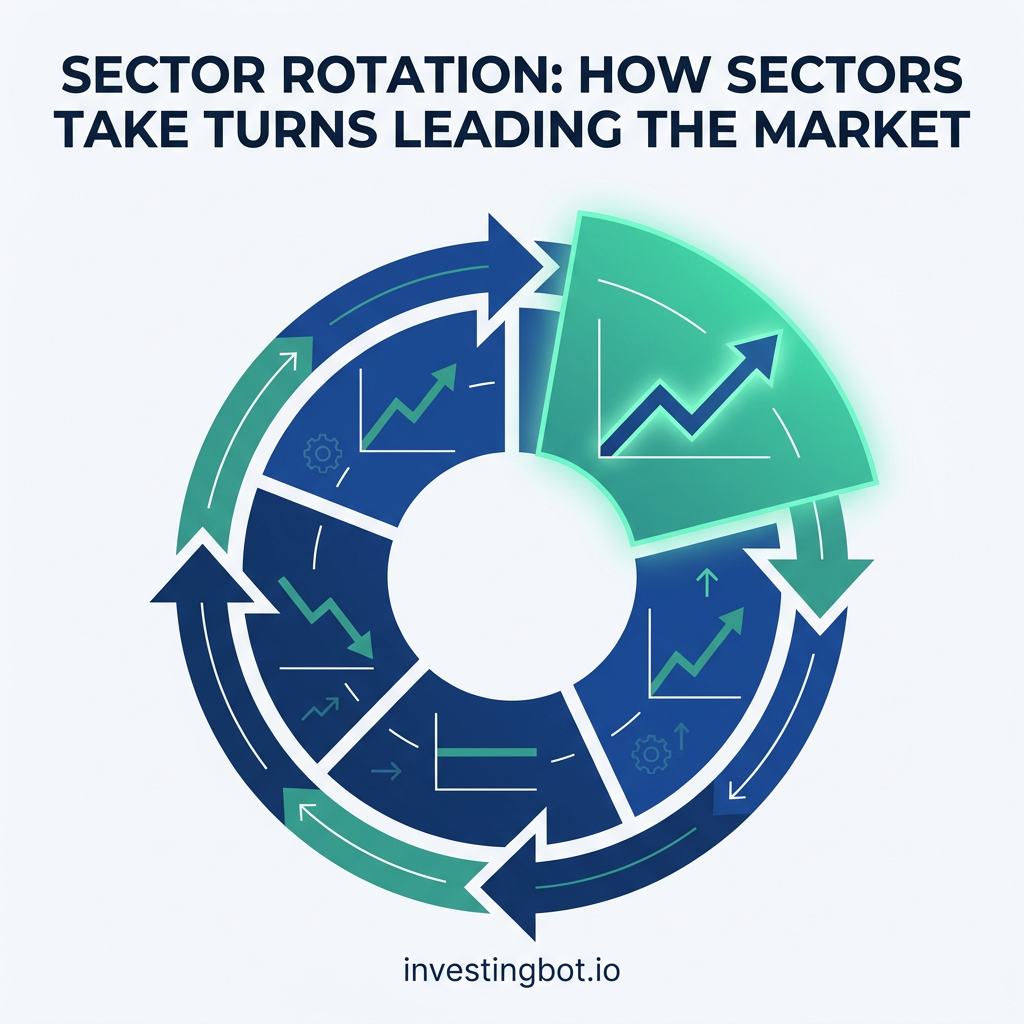
Sector rotation is the movement of money between stock market sectors through the economic cycle. How to read it with relative strength and the RRG, and why sector timing is harder than it looks.
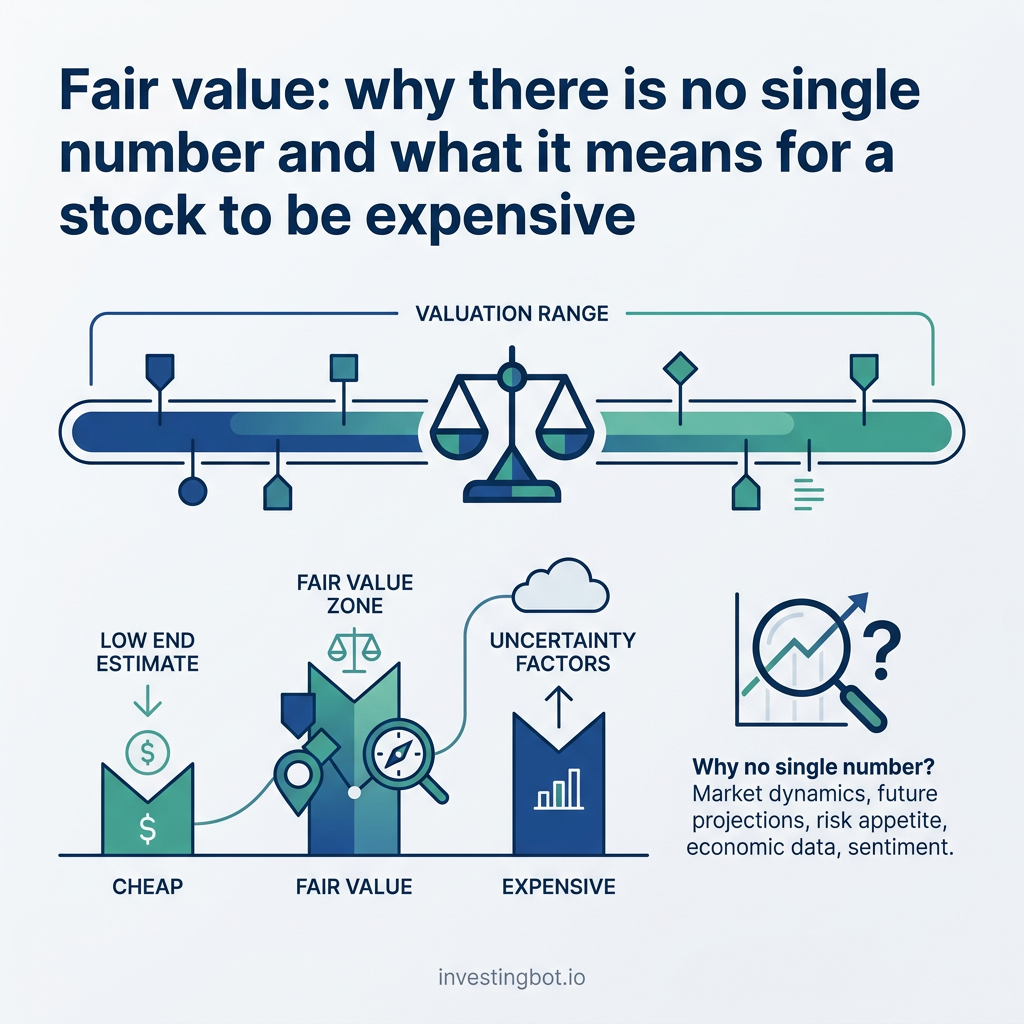
Fair value is a stock's worth estimated from its fundamentals, not its market price. It's not one number but a range with a degree of uncertainty: how to read it and tell when a stock is expensive.
Bond ETFs vs individual bonds compared: the maturity difference, rate risk and duration, diversification, costs and income. Which to choose and when.
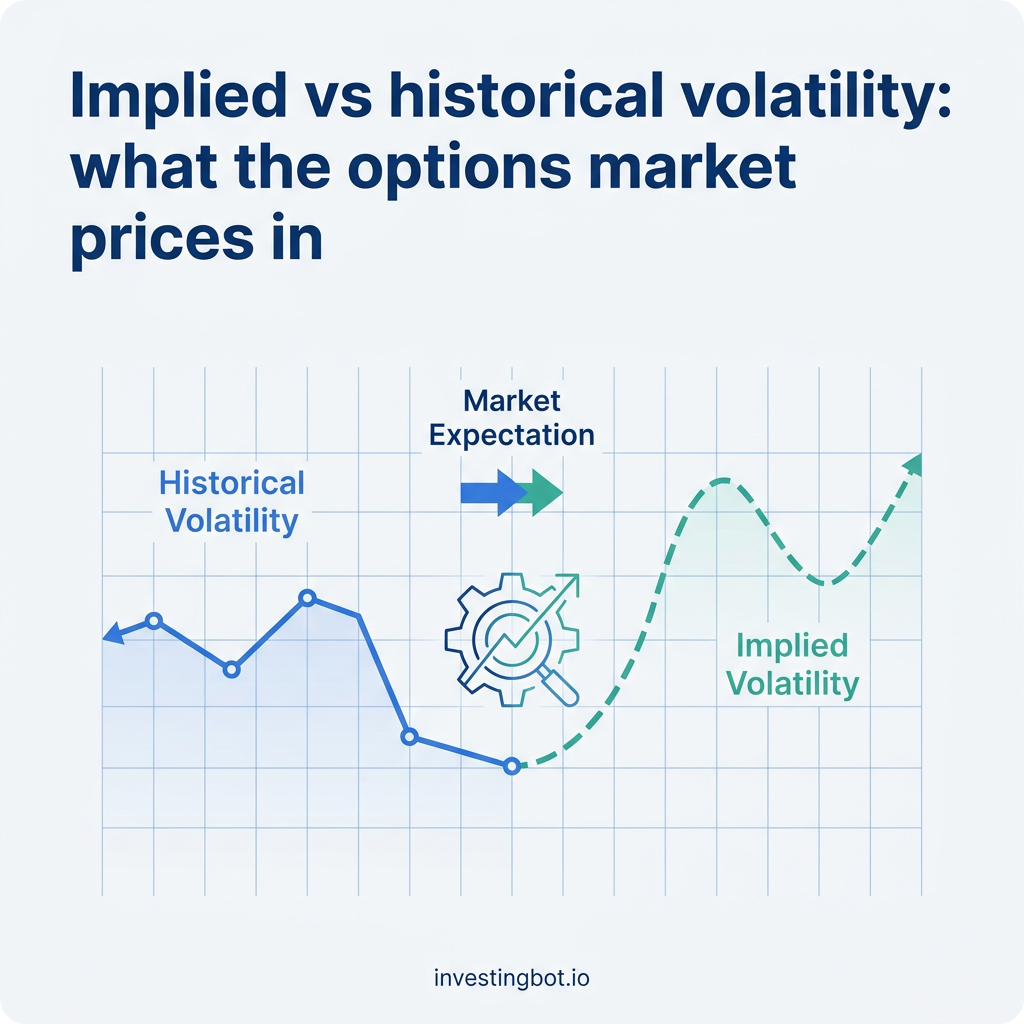
Implied and historical volatility compared: what they measure, why they diverge before earnings, and how to read what the options market truly prices in.
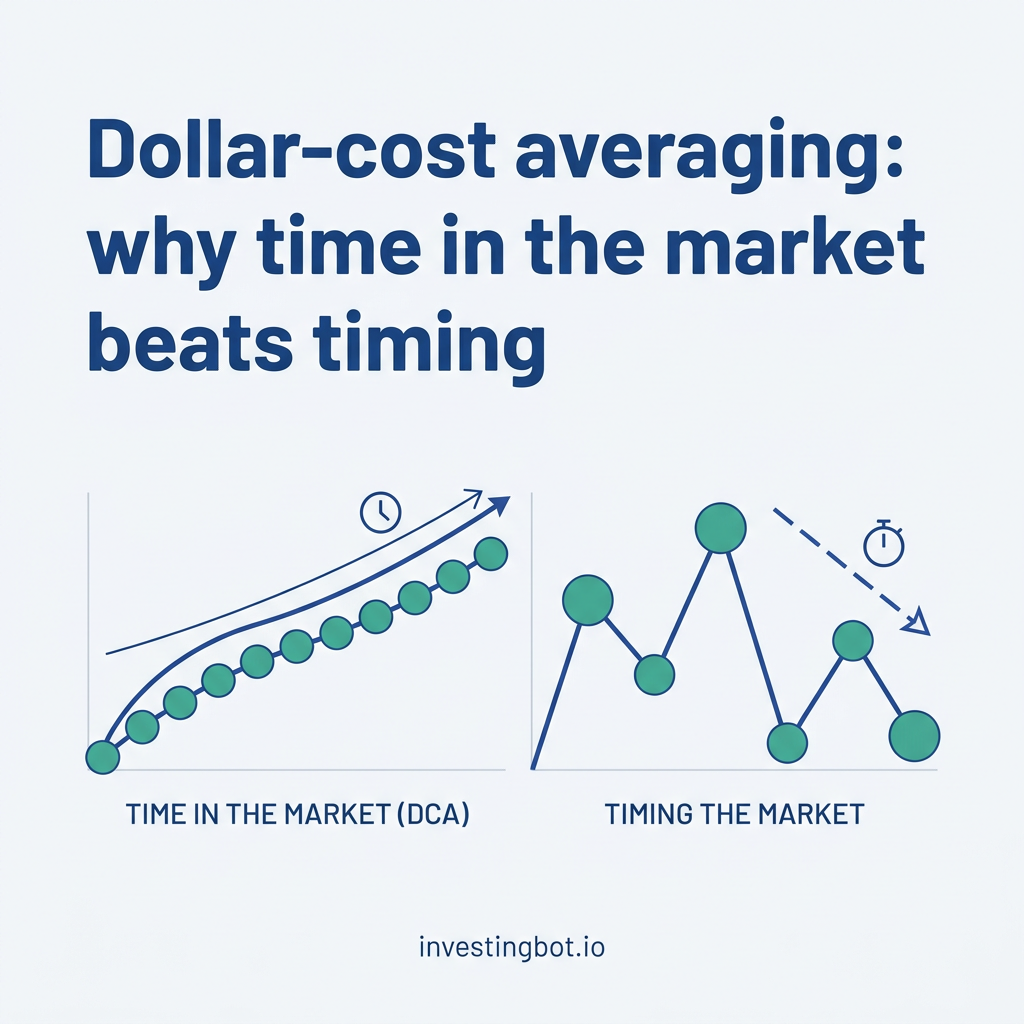
What a dollar-cost averaging (DCA) plan is and why investing consistently beats market timing: how DCA works, the time effect and what the data shows — no promises.
What UCITS ETFs are, how they work and why they are the European standard: rules, real costs and how to choose among thousands of near-identical funds.
In a bear market, no stock selection model protects a portfolio: we tested this on our own. The only real leverage is cash, bonds, and hedging.